The Tariff-Resilient Importer: Engineering Margin Protection Into Your 2026 Supply Chain
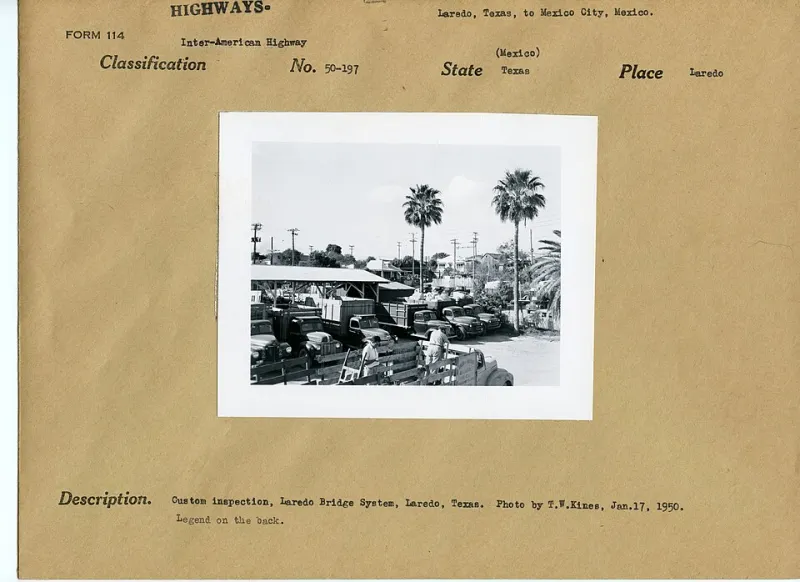
Photo: Department of Commerce. Bureau of Public Roads. 8/20/1949-4/1/1967, Public domain, via Wikimedia Commons
Tariff policy in 2026 is not a forecast that can be checked once a quarter. It is an operating condition. Rates move, enforcement becomes more data-driven, and the administrative details behind a customs entry can matter as much as the headline duty rate. For US importers, the spreadsheet that lists suppliers, countries of origin, and estimated duties is no longer sufficient. Margin protection now requires a repeatable operating model that connects product design, sourcing, customs filing, inventory policy, and transportation.
The businesses that manage tariff volatility well do not rely on a single tactic. They build a portfolio of defenses, then assign clear ownership for each one. The following playbook is not a guarantee against policy change. It is a practical framework for reducing exposure before a shipment reaches a US port of entry.
Treat Classification as a Strategic Input
Most tariff problems begin with product data that nobody owns. ASKU is designed, sourced, and priced before anyone confirms its Harmonized Tariff Schedule classification, customs value, and country of origin. That sequence invites costly corrections later.
Lawful tariff engineering starts earlier. It means making design, material, and sourcing decisions that change the duty outcome before entry, not misdescribing goods after the fact. A product assembled in one country may qualify for a different origin than a buyer assumes. A change in component composition may alter classification. These are legitimate planning questions, but they require trade counsel and a customs broker who can document the reasoning.
Importers should maintain a SKU-level tariff file that records classification rationale, origin analysis, valuation method, and supporting records. Review it when products change, when suppliers move, and when policy shifts. The goal is not to find a clever label. The goal is to make the entered value and classification defensible under audit.
Use Duty-Deferral Tools With Discipline
Foreign trade zones, bonded warehouses, and duty drawback are not loopholes. They are programs with real operational requirements. Used well, they can improve cash flow and flexibility. Used casually, they create compliance exposure.
A foreign trade zone can allow duty deferral, inverted tariff treatment, and relief for goods that are later exported. That makes an FTZ attractive for importers with predictable volume, strong inventory controls, and a willingness to invest in zone administration. A bonded warehouse can defer duty until goods leave the warehouse, which helps when inventory timing is uncertain. Duty drawback can recover duties on imported merchandise that is later exported or destroyed, but the recordkeeping burden is substantial.
The common mistake is adopting a program because a competitor has one. Instead, model the landed-cost benefit against the administrative cost. Ask who will own admissions, inventory reconciliation, and audits. If the answer is unclear, the program is not ready for scale.
Diversify Suppliers Without Creating New Blind Spots
Supplier diversification is often described as a simple move away from one country. In practice, it is a qualification project. A new supplier must meet quality standards, capacity expectations, compliance requirements, and delivery reliability. A lower duty rate does not compensate for a supplier that cannot ship on time.
Importers should rank products by revenue impact, substitutability, and lead time. Critical items may justify dual sourcing even at a higher unit cost. Commodity items may not. The analysis should include total landed cost, not just the purchase price. Freight, inventory carrying cost, tariff exposure, and service risk all belong in the model.
Contracts should also evolve. Where possible, clarify who bears duty changes, how price adjustments are triggered, and what documentation the supplier must provide. A supplier diversification plan that is not reflected in purchase orders and contracts is only an intention.
Build a Tariff Control Tower
Tariff resilience depends on visibility. Importers need a single view of SKU-level classification, country of origin, supplier, entered value, duty paid, and shipment mode. That view should support scenario modeling: What happens to landed cost if a duty rate rises by a given amount? Which products fall below margin thresholds? Which orders should be postponed, consolidated, or rerouted?
The control tower does not need to be elaborate. It needs to be current and owned. A monthly review that brings together procurement, finance, logistics, and customs compliance is more valuable than a perfect dashboard that nobody uses. Assign one accountable leader and a defined escalation path for policy changes.
Revisit Inventory and Order Timing
Tariff changes often trigger a predictable response: pull orders forward. That can protect margin on the current batch, but it also consumes working capital and warehouse capacity. Pull-forward inventory can become a liability if demand softens or if the product mix changes.
A better approach is to separate policy-driven inventory from demand-driven inventory. Use bonded inventory, postponement, or delayed final assembly where it makes sense. Model carrying costs explicitly. The cheapest duty outcome is not always the cheapest supply chain outcome.
Put Responsibility in Writing
Customs compliance rarely fails because nobody cares. It fails because responsibility is diffuse. The supplier assumes the importer will handle origin. The importer assumes the broker will catch classification issues. The broker assumes the product data is accurate. Each assumption is reasonable until an audit or a penalty notice arrives.
Document the handoffs. Specify Incoterms, customs broker instructions, document retention, and supplier representations. Conduct periodic audits of a sample of entries. Treat tariff data as a controlled business record, not a shipping detail.
Tariff resilience is a capability, not a prediction. US importers cannot control policy, but they can control how quickly they see exposure, how cleanly they classify goods, and how flexibly they can move sourcing and inventory. At Absy Delivery, we view that capability as part of smart shipping and seamless supply chains: the physical movement of goods works best when the commercial and compliance data behind it are equally disciplined.